
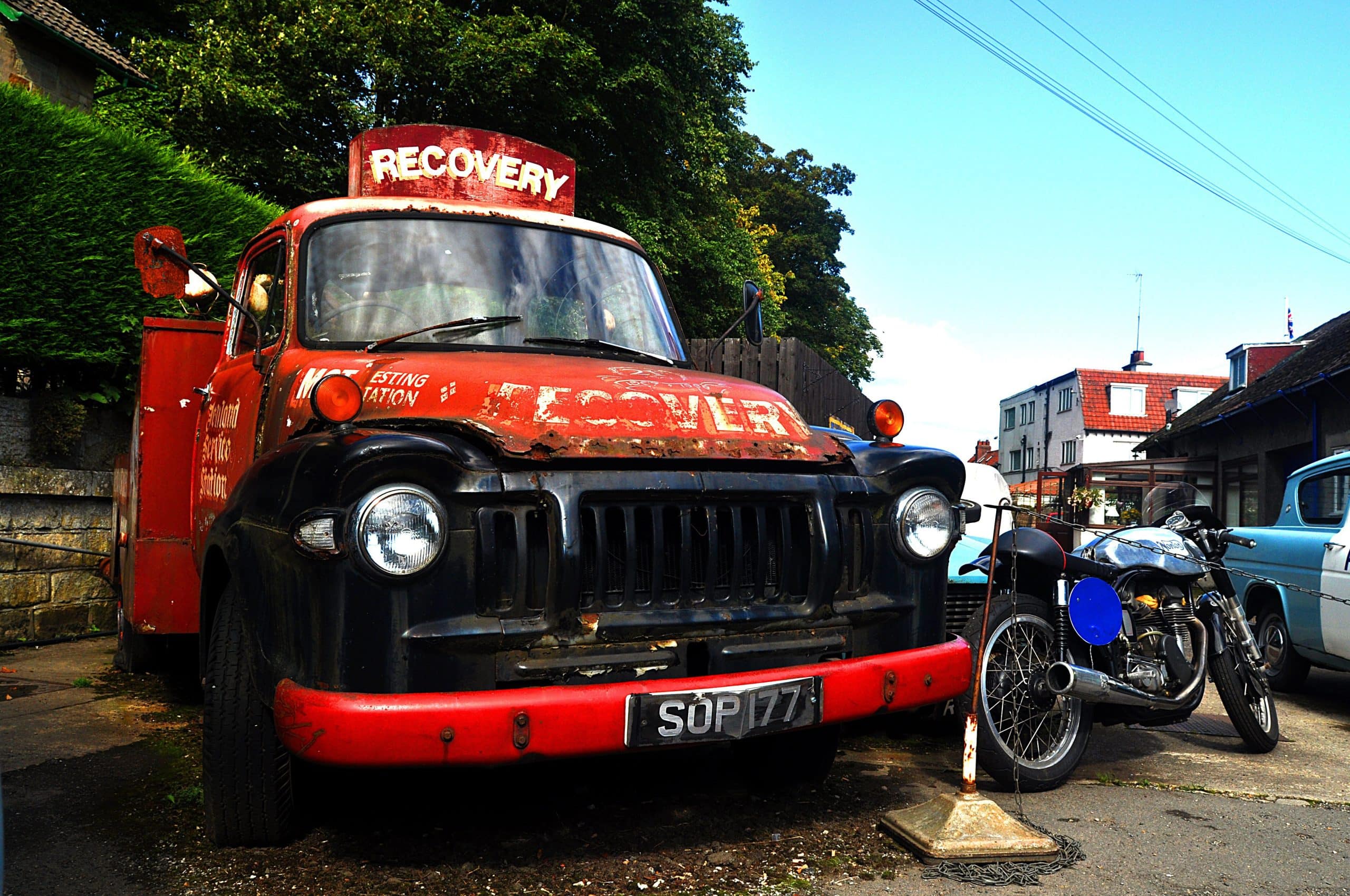
In the car removal industry, speed and reliability are essential. Customers often need unwanted, damaged, scrap, or end-of-life vehicles removed quickly, and they expect accurate pickup times and smooth communication throughout the process.
Behind every successful vehicle pickup is an effective dispatch process. Unfortunately, many car removal companies still rely on manual scheduling, phone calls, spreadsheets, or outdated systems to manage their operations. These methods often lead to costly dispatch mistakes that affect customer satisfaction, driver productivity, and business profitability.
Whether you’re managing a small vehicle buying operation or a large fleet of tow trucks and car removal drivers, understanding and avoiding common dispatch mistakes can significantly improve your efficiency.
Why Dispatch Mistakes Matter in Car Removal Operations?
Dispatching is the process of assigning vehicle collection jobs to drivers, scheduling pickups, tracking progress, and ensuring customers receive timely service.
When dispatching is handled correctly, businesses benefit from:
- Faster vehicle collections
- Better customer experiences
- Reduced fuel costs
- Improved driver productivity
- More completed jobs per day
- Increased profitability
However, when dispatch errors occur, the consequences can quickly add up.
Common Dispatch Mistakes Car Removal Companies Make
Car removal services are designed to make the process quick and convenient, but not every company delivers a smooth experience. Small dispatch errors can lead to delays, missed pickups, poor communication, and unhappy customers.
Understanding the most common dispatch mistakes car removal companies make helps businesses improve efficiency and gives customers a better idea of what to expect during the vehicle removal process.
1. Double Booking Drivers
One of the most common dispatch mistakes is assigning multiple jobs to the same driver during overlapping time slots.
This can result in:
- Missed pickup appointments
- Delayed vehicle collections
- Frustrated customers
- Negative online reviews
Without a centralized dispatch system, scheduling conflicts become increasingly common as business volume grows.
2. Assigning Jobs Without Considering Location
Some dispatchers assign jobs based solely on availability rather than driver proximity. For example, a driver located across town may be assigned to a vehicle pickup while another driver is only minutes away from the customer.
This leads to:
- Increased fuel expenses
- Longer wait times
- Reduced daily job capacity
Smart dispatch software helps assign jobs based on real-time location and availability.
3. Poor Communication With Drivers
Communication issues can create significant delays.
Examples include:
- Incorrect pickup addresses
- Missing customer contact information
- Changes were not communicated to drivers
- Delayed job updates
When dispatchers and drivers are not working from the same information, mistakes become inevitable.
4. Lack of Real-Time Job Tracking
Many car removal businesses struggle because they cannot accurately track the status of active jobs.
Without visibility, dispatchers may not know:
- Which pickups are completed
- Which drivers are delayed
- When trucks become available for new jobs
This makes scheduling less efficient and limits the ability to respond to customer inquiries.
5. Overloading High-Performing Drivers
It can be tempting to assign most jobs to experienced drivers. However, overloading a few team members while others remain underutilized creates operational inefficiencies. Balanced dispatching helps maximize productivity across the entire fleet.
6. Manual Data Entry Errors
Incorrect customer information is another frequent dispatch problem.
Simple mistakes such as:
- Wrong addresses
- Incorrect phone numbers
- Inaccurate vehicle details
This can result in wasted trips and missed pickups. As job volume increases, manual data entry becomes increasingly risky.
7. Failing to Optimize Daily Routes
Drivers who travel back and forth across service areas waste valuable time and fuel.
Poor route planning often results in:
- Higher operating costs
- Fewer completed pickups
- Increased vehicle wear and tear
Route optimization is essential for businesses aiming to maximize daily collections.
How Dispatch Mistakes Impact Revenue
Many business owners underestimate the financial impact of dispatch errors.
A single missed pickup can lead to:
- Lost vehicle purchases
- Lost towing revenue
- Negative customer reviews
- Referral losses
- Additional administrative costs
Over weeks and months, these small mistakes can significantly reduce profitability.
How Car Removal Software Helps Prevent Dispatch Mistakes?
Modern car removal software is designed specifically to eliminate many of the dispatch challenges that vehicle collection businesses face.
Key features often include:
1. Automated Job Assignment
Jobs can be assigned based on driver availability, service area, and workload.
2. Real-Time Driver Tracking
Dispatchers can monitor vehicle locations and job progress from a single dashboard.
3. Centralized Customer Information
All customer details, vehicle information, and pickup instructions are stored in one place.
4. Route Optimization
Drivers receive efficient routes that reduce travel time and fuel consumption.
5. Instant Job Updates
Changes can be communicated immediately between office staff and drivers.
6. Performance Reporting
Business owners can identify bottlenecks and improve dispatch efficiency using operational data.
Signs Your Business Needs Better Dispatch Management
You may need a dedicated dispatch solution if your business frequently experiences:
- Missed pickup appointments
- Scheduling conflicts
- Driver confusion
- Customer complaints
- Excessive fuel costs
- Difficulty tracking active jobs
- Limited visibility into daily operations
These issues often indicate that manual processes are holding the business back.
Building a More Efficient Car Removal Operation
Successful car removal companies understand that dispatching is more than simply assigning jobs. It is a critical business function that affects customer satisfaction, operational efficiency, and profitability.
By reducing dispatch mistakes and implementing software designed specifically for vehicle collection businesses, companies can improve scheduling, streamline communication, and complete more pickups each day.
Conclusion
Dispatch mistakes can quietly drain revenue from a car removal business. Double bookings, poor route planning, communication failures, and manual data entry errors all contribute to lost time and missed opportunities.
The good news is that these challenges are preventable. With the right car removal software like Infrabyte Software, businesses can automate dispatching, improve fleet visibility, optimize routes, and deliver a better customer experience.
For growing car removal companies, investing in smarter dispatch management is one of the most effective ways to increase efficiency, reduce costs, and scale operations successfully.